Whether you’re vegetarian, vegan, or simply aiming to eat less meat, meeting your protein needs through plants is easier than ever. From legumes to seeds, many plant-based options are rich in protein and nutrients while also being versatile and sustainable. Here are ten of the best plant-based protein sources—and how to use them in your everyday meals.
- Lentils
Lentils pack around 18 grams of protein per cooked cup and are rich in iron and fiber. Use them in soups, stews, curries, or cold salads. Try this Lentil Salad from Minimalist Baker. - Quinoa
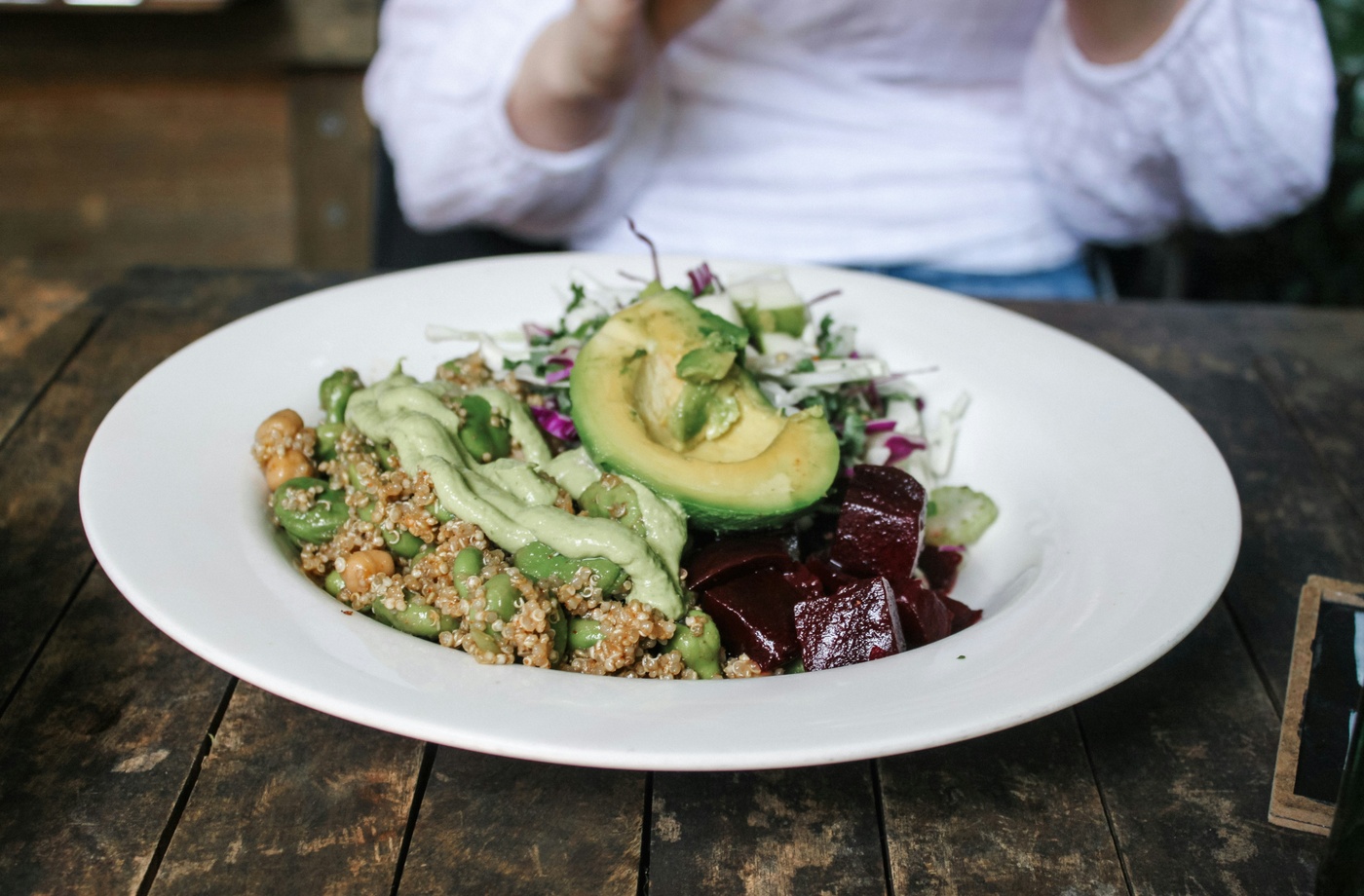
Quinoa is a complete protein with about 8 grams per cooked cup. It’s gluten-free and works well in grain bowls, as a rice substitute, or in stuffed vegetables. Harvard T.H. Chan School of Public Health highlights its amino acid profile. - Tempeh
This fermented soy product contains around 15–20 grams of protein per 3-ounce serving. It has a firm texture and nutty flavor, ideal for stir-fries, sandwiches, or grilling. Marinade it first to enhance taste. - Chickpeas (Garbanzo Beans)
With about 15 grams of protein per cooked cup, chickpeas are highly versatile. Roast them for snacks, mash into hummus, or toss into salads and bowls. Bon Appétit offers a great crispy chickpea recipe. - Hemp Seeds
These tiny seeds deliver about 10 grams of protein per 3 tablespoons. Sprinkle on oatmeal, blend into smoothies, or use in homemade granola bars. Bonus: they’re packed with omega-3s. - Black Beans
A staple in Latin American cuisine, black beans contain roughly 15 grams of protein per cooked cup. They shine in tacos, rice bowls, and hearty veggie burgers. - Tofu
Tofu offers about 10 grams of protein per half-cup serving and comes in multiple textures. Firm tofu is best for stir-frying, while silken tofu works in smoothies and desserts. - Edamame
These young soybeans offer 17 grams of protein per cup and make an excellent snack or salad topping. Steam or boil and sprinkle with sea salt or chili flakes. - Chia Seeds
Chia seeds offer about 5 grams of protein per 2 tablespoons and expand when soaked. Mix into overnight oats, smoothies, or puddings. They’re also high in fiber and omega-3s. - Nutritional Yeast
This cheesy-tasting powder offers about 8 grams of protein per 2 tablespoons. Sprinkle on popcorn, pasta, or roasted vegetables. Look for fortified versions with B12.
Why Variety Matters
Combining different plant proteins throughout the day ensures a diverse intake of amino acids. According to the Harvard T.H. Chan School of Public Health, most plant-based eaters easily meet protein needs with variety and adequate caloric intake.